Our balcony ... at 7am. And it's supposed to snow all day long. Yikes!
The forecast says 3 to 5 inches today, but we've already gotten more than that. Can you spell buried?
Saturday, January 30, 2016
Mystery of the cattery pond...
Mystery of the cattery pond... When Debbie went down to our basement cattery this morning, she discovered a small pond in the northeast corner of the room. This was very reminiscent of the indoor ocean we had last summer during a rainstorm, but on that memorable occasion it was quite obvious where the water came from: the casement window had about 8 inches of water in it, and water was streaming through the window frame into the basement.
This time the source wasn't nearly so obvious. We cleaned up the water with mops; the total was about two quarts. That's far too much for a cat to be the source under even the wildest set of assumptions. It's even too much for a water bowl to have been the source. The kitties were puzzled as well; it was not the water feature of their dreams. So we were mystified as we cleaned up, until Debbie spotted some water on a casement window sill. Ah, ha! That had to be the source. But how? The bottom of the casement well had no water. Where did the water come from? How did it get through the window?
Some inspection and thought unveiled the answer. If water came through the casement opening at an angle (as it would if the wind was blowing from the east), then the rain would strike the casement window pane. Then it would run down and into the sill that the window slides in. That sill has a drain to the outside, but it's a small hole – heavy rain could easily overwhelm it. In that case, water would overflow and some of it would run down the inside of the sill, into the cattery. That must have been what happened. It was rainy and windy last night.
I'm going to call that a mystery solved. We've been in the house nearly two years now, and this is the first time anything like that happened. Let's hope it remains a rare occurrence!
This time the source wasn't nearly so obvious. We cleaned up the water with mops; the total was about two quarts. That's far too much for a cat to be the source under even the wildest set of assumptions. It's even too much for a water bowl to have been the source. The kitties were puzzled as well; it was not the water feature of their dreams. So we were mystified as we cleaned up, until Debbie spotted some water on a casement window sill. Ah, ha! That had to be the source. But how? The bottom of the casement well had no water. Where did the water come from? How did it get through the window?
Some inspection and thought unveiled the answer. If water came through the casement opening at an angle (as it would if the wind was blowing from the east), then the rain would strike the casement window pane. Then it would run down and into the sill that the window slides in. That sill has a drain to the outside, but it's a small hole – heavy rain could easily overwhelm it. In that case, water would overflow and some of it would run down the inside of the sill, into the cattery. That must have been what happened. It was rainy and windy last night.
I'm going to call that a mystery solved. We've been in the house nearly two years now, and this is the first time anything like that happened. Let's hope it remains a rare occurrence!
You have to pick cherries...
You have to pick cherries ... if you want to make cherry pie. That's from this new post by Steve McIntyre, continuing his tireless work trying to find some bit of reality in the warmist's research papers. Short version: he hasn't found any yet. From his conclusion:
Unfortunately, Briffa and associates have never set out ex ante criteria for site inclusion/exclusion, resulting in Briffa regional reconstructions seeming more like Calvinball than science, as discussed in many CA posts. However, remarkably, D’Arrigo et al 2009 (though not noticed at the time) had admitted earlier that year to doing exactly what Briffa had denied: the ex post selection of sites in order to obtain a preconceived result (a reconstruction that went up in the 20th century).Do read the whole thing. It's wonderful and satisfying to see a competent observer applying actual science techniques and skepticism. Plus, a Calvin and Hobbes reference!
Paradise ponders...
Paradise ponders... We had an unplanned adventure yesterday. My brother Scott had a new feline at his house – a male kitten, barely old enough to be outside by himself. The kitten (which he named “Furball”) was obviously not feral – he was very familiar with people and wanted into the house. Scott isn't interested in having a kitten as a pet, and we didn't want to see the poor thing tossed back out into the snowstorm, so Debbie and I drove up and picked him up. Furball (tentatively renamed “Newton”) is now ensconced in our basement bathroom, isolated from our cattery kitties. We have an appointment for him with the vet next Wednesday, and Debbie has contacted Four Paws (a rescue volunteer group) to see about finding him a permanent home.
Meanwhile, Debbie has a kitten. If you know her, you can probably imagine just how heartbroken she is about this :) Photos will be forthcoming...
Water is all over Pluto...
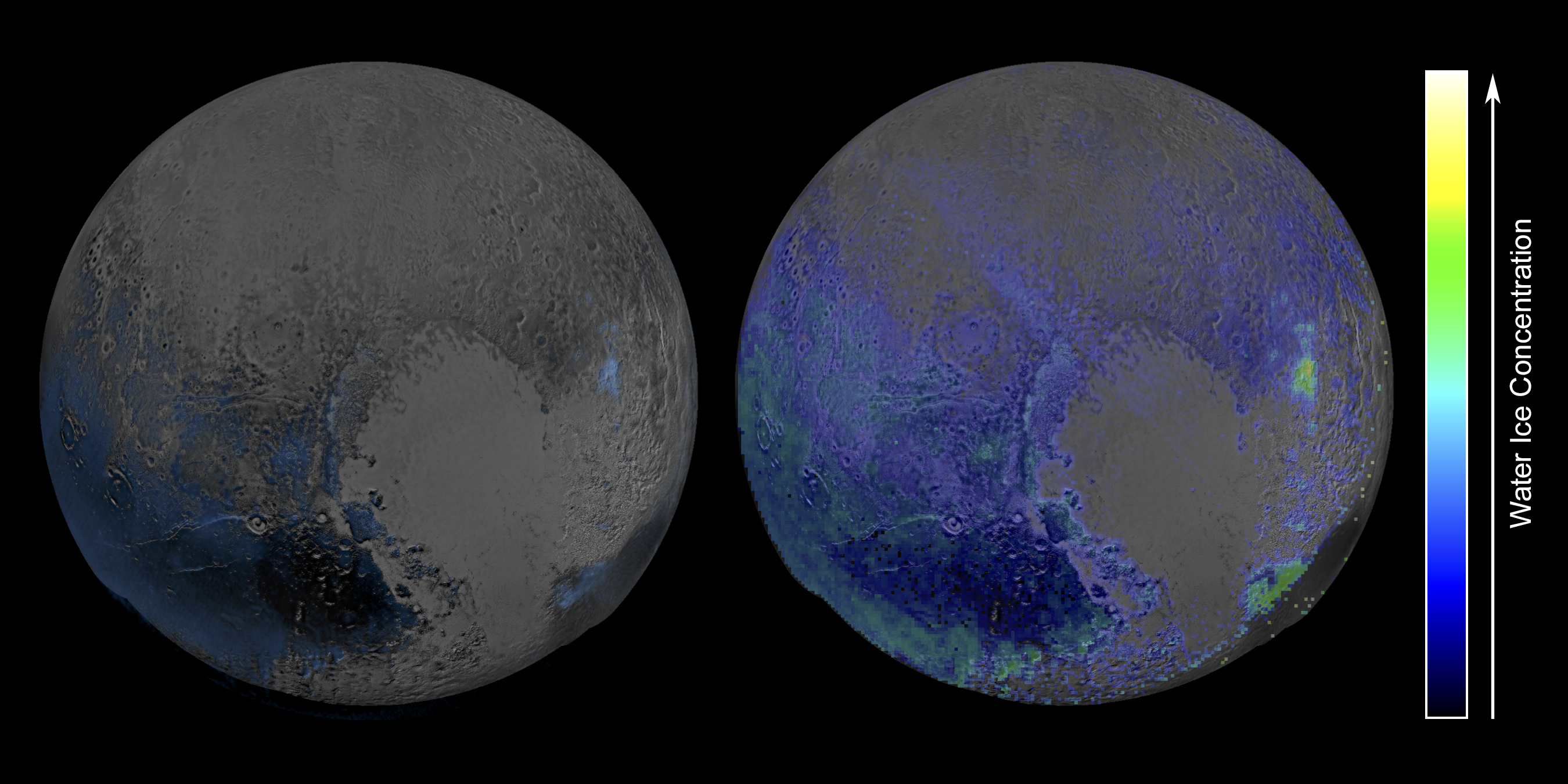
Water is all over Pluto... It was a surprise to find any water ice on Pluto. With more analysis of the New Horizons data, researchers are discovering that there's lots of water on Pluto, and very widely distributed. More here...
Of dates and computers...
Of dates and computers... I stumbled into this article in my reading this morning. It's a good, non-technical explanation of why we have leap years (this year is a leap year, by the way). This is familiar territory for me, as I've written quite a bit of code that deals with these issues. That got me to pondering just how much time I've spent over the years doing this. It's kind of crazy, really, just how hard it is!
The most recent descent into date madness that I took was about 12 years ago, when I was working for a company doing electronic stock and option trading. They had customers located all over the world, in a total of 28 different time zones. The development team was getting all twisted up in the problem of converting dates and times from one time zone to another. Our programming environment (Java) had a standard way of doing this (a “library”), but it always seemed to be missing a few of the time zones we needed. The problem was that time zones changed frequently. Mistakes in the time zone conversions could be very expensive for us, so it was worth considerable effort to get right. I ended up writing a replacement for the standard Java library that we could keep up to date ourselves. I was amazed how complex this seemingly simple problem was, especially when it dawned on me that I had to track not only the current time zones (that was bad enough!) but also the entire history of time zones. Sheesh!
Way back in the '80s I had a consulting job that involved writing code for a different kind of date and time conversion. This time it was a university who needed a way to figure out the relative timing of events in the past, back to around 500 BC. The challenge was that people in different places used to keep entirely different calendars, and these calendars independently changed over time. When someone in Italy wrote a date of (say) February 12, 1204, that wouldn't necessarily have been the same date in (say) Denmark; there it might be December 29, 1203. One of the big challenges to understanding those differences was that the whole concept of a country was quite fluid back then :) Even worse, in some places the researchers cared about, the calendars they used were completely different – not the Julian calendars invented by the Romans, but totally different calendars generally controlled in quite an arbitrary and capricious manner by religious authorities.
That was a really challenging programming problem. Coming up with a model that could handle all these things wasn't too hard, but gathering the information required to fully implement that model was. I ended up getting a grad student assigned to me as my helper, and her only job was to go get answers for me. I'd ask her a question like “When did Amsterdam switch over to the Gregorian calendar?”, and she'd go off to get the answer. In the end, the solution was more a database and less a bunch of code.
I remember one problem the researchers were wrestling with that they never did come up with a satisfactory answer for. The problem arose when interpreting the writings of someone in the past who was writing about events in an area not local to them. For example, an Englishman might write about the purchase of a ship from Amsterdam, saying something like “I bought this ship for 4,000 guineas, and it was delivered on March 17, 1366.” The problem is which March 17, 1366 was he talking about: London's or Amsterdam's? Because they weren't the same. Most likely they'll never figure that one out :)
Anyway, I've spent a lot more programming time dealing with issues like this than I ever thought I would. The problem of dates and times keeps recurring, and I'm not sure that will ever end. For instance, there's a debate currently underway about leap-seconds, and whatever the answer turns out to be, software will have to be written to deal with it...
The most recent descent into date madness that I took was about 12 years ago, when I was working for a company doing electronic stock and option trading. They had customers located all over the world, in a total of 28 different time zones. The development team was getting all twisted up in the problem of converting dates and times from one time zone to another. Our programming environment (Java) had a standard way of doing this (a “library”), but it always seemed to be missing a few of the time zones we needed. The problem was that time zones changed frequently. Mistakes in the time zone conversions could be very expensive for us, so it was worth considerable effort to get right. I ended up writing a replacement for the standard Java library that we could keep up to date ourselves. I was amazed how complex this seemingly simple problem was, especially when it dawned on me that I had to track not only the current time zones (that was bad enough!) but also the entire history of time zones. Sheesh!
Way back in the '80s I had a consulting job that involved writing code for a different kind of date and time conversion. This time it was a university who needed a way to figure out the relative timing of events in the past, back to around 500 BC. The challenge was that people in different places used to keep entirely different calendars, and these calendars independently changed over time. When someone in Italy wrote a date of (say) February 12, 1204, that wouldn't necessarily have been the same date in (say) Denmark; there it might be December 29, 1203. One of the big challenges to understanding those differences was that the whole concept of a country was quite fluid back then :) Even worse, in some places the researchers cared about, the calendars they used were completely different – not the Julian calendars invented by the Romans, but totally different calendars generally controlled in quite an arbitrary and capricious manner by religious authorities.
That was a really challenging programming problem. Coming up with a model that could handle all these things wasn't too hard, but gathering the information required to fully implement that model was. I ended up getting a grad student assigned to me as my helper, and her only job was to go get answers for me. I'd ask her a question like “When did Amsterdam switch over to the Gregorian calendar?”, and she'd go off to get the answer. In the end, the solution was more a database and less a bunch of code.
I remember one problem the researchers were wrestling with that they never did come up with a satisfactory answer for. The problem arose when interpreting the writings of someone in the past who was writing about events in an area not local to them. For example, an Englishman might write about the purchase of a ship from Amsterdam, saying something like “I bought this ship for 4,000 guineas, and it was delivered on March 17, 1366.” The problem is which March 17, 1366 was he talking about: London's or Amsterdam's? Because they weren't the same. Most likely they'll never figure that one out :)
Anyway, I've spent a lot more programming time dealing with issues like this than I ever thought I would. The problem of dates and times keeps recurring, and I'm not sure that will ever end. For instance, there's a debate currently underway about leap-seconds, and whatever the answer turns out to be, software will have to be written to deal with it...
Laser beam space rock deflection?
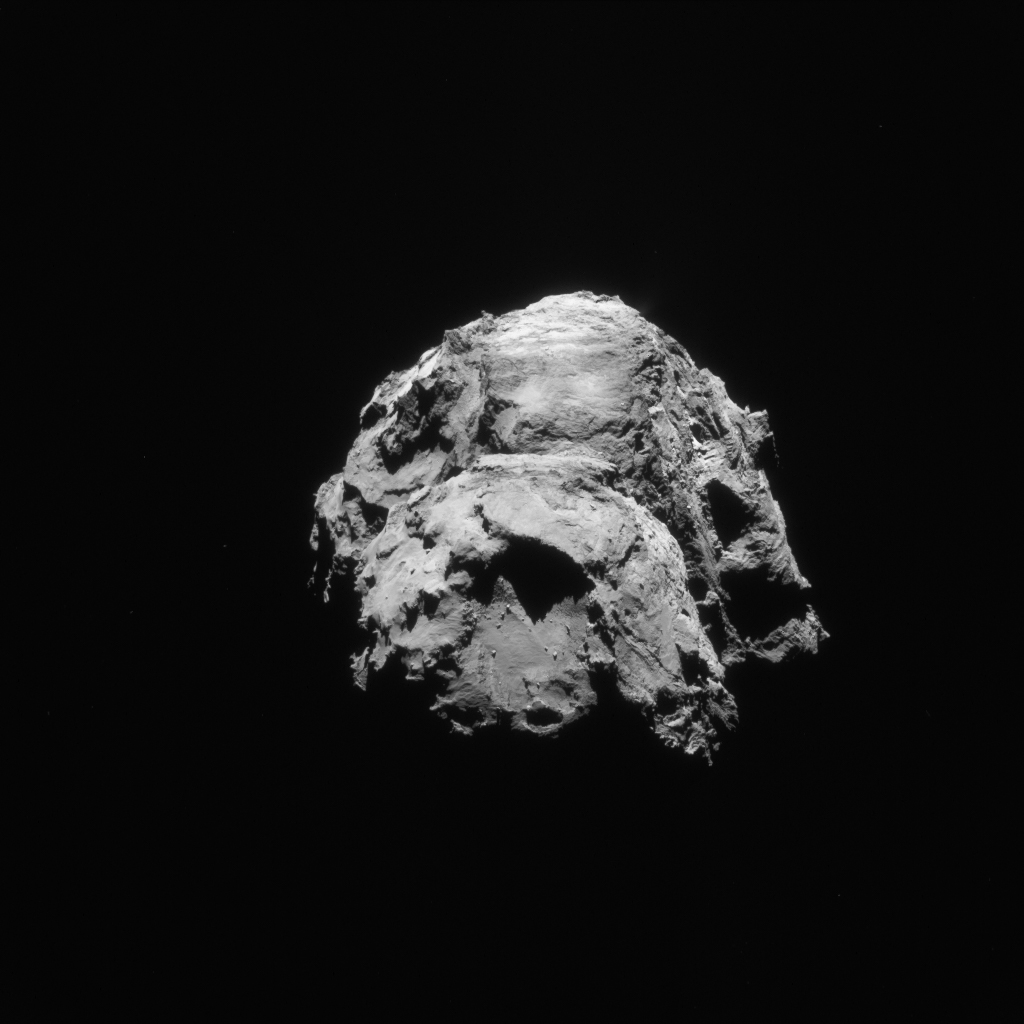
Laser beam space rock deflection? That's what this article is talking about. They propose two versions: one that would orbit the rock being deflected, the other in Earth orbit.
The version with the laser flying nearby the space rock makes sense to me: the laser is basically collecting sunlight (with a solar panel array) and turning it into a high energy beam of light that vaporizes parts of the rock's surface, acting like a small (and terribly designed!) rocket to “push” the rock the other way.
The version with the laser flying in Earth orbit sounds like fantasy to me, mainly because of the implausibly “tight” beam divergence that would be required. “Beam divergence” is one of the measures of the quality of a laser. It's a function of both the laser itself and the optics the beam is passed through. The “optics” part gets very tricky with high power laser beams, as the optics inevitably absorb some of the energy from the laser. Even if the absorbed fraction is very small, the optics get very hot – and that heat can only be gotten rid of in space by re-radiating it. That's hard. But even if you ignore the heat problem, the quality of the laser and optics required is almost unimaginably high. I think the people proposing this are smoking something they shouldn't oughtta be...
The version with the laser flying nearby the space rock makes sense to me: the laser is basically collecting sunlight (with a solar panel array) and turning it into a high energy beam of light that vaporizes parts of the rock's surface, acting like a small (and terribly designed!) rocket to “push” the rock the other way.
The version with the laser flying in Earth orbit sounds like fantasy to me, mainly because of the implausibly “tight” beam divergence that would be required. “Beam divergence” is one of the measures of the quality of a laser. It's a function of both the laser itself and the optics the beam is passed through. The “optics” part gets very tricky with high power laser beams, as the optics inevitably absorb some of the energy from the laser. Even if the absorbed fraction is very small, the optics get very hot – and that heat can only be gotten rid of in space by re-radiating it. That's hard. But even if you ignore the heat problem, the quality of the laser and optics required is almost unimaginably high. I think the people proposing this are smoking something they shouldn't oughtta be...
A new skiing operation...
A new skiing operation ... uses a Snow-Cat that runs up a trail starting just 2.5 miles southeast of our home. We've seen the Snow-Cat parked there, but didn't know why...
The weatherman said snow...
The weatherman said snow ... and (this time, at least) he was right on target. There are about 2 inches of fresh snow on the ground. When I let the dogs out a couple hours ago, it was snowing hard – when they came back inside, each of them had a quarter inch or so of snow all over their backs. Then they shook it off :)
The image at right show the weather radar picture as of about 4 am this morning. The winds are blowing almost directly from the west, so most of that “blue blob” (the snow storm) has yet to hit us. The forecast for today has been revised; they're now saying 3 to 5 inches of snow today, with the snow lasting into this evening. That means a storm total of 5 to 7 inches.
Looks like my Sunday morning chores will include plowing the driveway and clearing the sidewalk!
The image at right show the weather radar picture as of about 4 am this morning. The winds are blowing almost directly from the west, so most of that “blue blob” (the snow storm) has yet to hit us. The forecast for today has been revised; they're now saying 3 to 5 inches of snow today, with the snow lasting into this evening. That means a storm total of 5 to 7 inches.
Looks like my Sunday morning chores will include plowing the driveway and clearing the sidewalk!
Whenever someone whines to me...
Whenever someone whines to me ... about the stock market decline, I show them a chart like the one at right, and remind them that they haven't “lost” a penny unless they sell. That chart plots the Dow-Jones index, the NASDAQ 100 index, and the S&P 500 index over the five years. Yes, the stock market prices have declined a bit over the past few months. Yes, if you had purchased an index fund at the peak, and sold today, you'd have lost a small percentage. But ... if you purchased that index fund more than a year or so ago, it's had an appreciable increase in value even with the recent declines.
So after I show them this chart, I tell the whiners that if they are going to have an emotional reaction when they watch the indices every day, then they shouldn't be investing in the stock market at all. They should instead invest in something less visibly volatile, with a risk/return trade-off they can live with. If they can find such a thing – these days the stock market is hard to beat on that score...
Friday, January 29, 2016
Snow's gonna snow...
Snow's gonna snow... And that's just what the weatherman is telling us is about to happen: 2 to 4 inches of the fluffy white stuff in the next 36 hours or so. I sense some snowplowing in my near-term future :)
Just read it...
Just read it... You know that with a lead like this:
I just love the premise of a hedge fund dedicated to making money from the failures of the warmists...
Let me tell you the worst thing about the climate change scam. It’s not the lies, not bullying, not the perversion of the scientific method, not the establishment cover-ups, not the needless scaremongering, not the wasted money, not the nannying overregulation, not the destroyed wildlife and ruined countryside, not the stymied economic growth — bad though all these things are. No one what really sticks in the craw is that the people making money out of it are the scum of the earth....you just have to read the whole thing!
I just love the premise of a hedge fund dedicated to making money from the failures of the warmists...
On Trump...
On Trump... This is from a great piece by Megan McArdle:
But his endlessly convenient opinion shifts, on the very core issues his supporters care most about, ought also to signal that Donald Trump doesn’t care about you, either. He’s against outsourcing and immigration as long as that’s getting him votes. But if he can find a different coalition, he’ll happily abandon the current one in a flash. As he’ll need to, if he gets the nomination, and starts looking at the electoral math to take the general. Trump may set the land-speed record for a full 180, and his supporters will have little right to complain, given that his newfound attachment to conservative issues – including the ones he hammers most – is obviously weak and opportunistic.It takes very little cynicism (I, for one, have more than the required minimum) to believe that her paragraph applies to nearly all politicians.
Thursday, January 28, 2016
She's ok...
There are many reasons why I'm uninterested in skiing. The possibility of a tumble like this ... is now on that list :)
Winter sports in general, including the various kinds of skiing, are a really big deal around here. Snowmobiling is probably the most popular, but snowshoeing, cross-country skiing, and downhill skiing all have lots of participation. None of them have appeal to me, and only partly because it involves being outside in uncomfortably cold conditions.
I love the scenic attractions of snowy and icy places – particularly streams and ponds. They look just as beautiful to me when viewed from inside a toasty warm car, perhaps with a few short walks to explore particular things. But hours on a noisy snowmobile, or puffing and panting on snowshoes or skis? Along with the risk of falls, avalanches, and prolong exposure to the cold? Not so much appeal for me :)
Huge breakthrough?
Huge breakthrough? This story, about Google's AI software beating a human Go champion, is splattered all over the web. Most of the stories use similar hyperbolic language, which I'm sure Google is quite happy to see. Is it really a huge breakthrough?
I don't think so. It's a laudable incremental advance in an area that computers (including artificial intelligence) are very good at: games with a constrained context and rules. By “constrained context” I mean that in order to play the game of Go (or most other games), you don't need to know anything beyond the rules of the game.
That's very different, for example, than holding a conversation with someone. In any randomly chosen human conversation, you'll find that in order to have that conversation the people involved must share an enormous amount of context. For example, if we were talking politics, you'd have to know the names of the politicians involved, something about their beliefs and pronouncements, what offices they were running for, who the voters were ... I could go on for a long time like that.
It's not that I think Google's accomplishment is unimpressive – it's very impressive, in the same way that being the first to walk on the moon is impressive. But ... it's less a fundamental advance and more an incremental improvement. I'd be much more impressed if someone rolled out a computer that could talk with me in a natural way on even some limited topic. As I've said before, I'm skeptical that such a thing will ever happen through digital computers as we know them today. Want some evidence for my skepticism? Spend a few minutes trying to ask some questions of Siri, Cortana, or Alexa (the voice enabled “digital assistants” from Apple, Microsoft, and Amazon, respectively). Are they helpful? Sometimes. Are they amusing? Most definitely. Do they seem like a human assistant? Hell, no. Not even close.
So ... congratulations, Google! But I'm still skeptical about the breadth of artificial intelligence's utility, and I still cringe when I hear people equate today's artificial intelligence with human intelligence. Those two concepts – today, at least – aren't in the same category...
I don't think so. It's a laudable incremental advance in an area that computers (including artificial intelligence) are very good at: games with a constrained context and rules. By “constrained context” I mean that in order to play the game of Go (or most other games), you don't need to know anything beyond the rules of the game.
That's very different, for example, than holding a conversation with someone. In any randomly chosen human conversation, you'll find that in order to have that conversation the people involved must share an enormous amount of context. For example, if we were talking politics, you'd have to know the names of the politicians involved, something about their beliefs and pronouncements, what offices they were running for, who the voters were ... I could go on for a long time like that.
It's not that I think Google's accomplishment is unimpressive – it's very impressive, in the same way that being the first to walk on the moon is impressive. But ... it's less a fundamental advance and more an incremental improvement. I'd be much more impressed if someone rolled out a computer that could talk with me in a natural way on even some limited topic. As I've said before, I'm skeptical that such a thing will ever happen through digital computers as we know them today. Want some evidence for my skepticism? Spend a few minutes trying to ask some questions of Siri, Cortana, or Alexa (the voice enabled “digital assistants” from Apple, Microsoft, and Amazon, respectively). Are they helpful? Sometimes. Are they amusing? Most definitely. Do they seem like a human assistant? Hell, no. Not even close.
So ... congratulations, Google! But I'm still skeptical about the breadth of artificial intelligence's utility, and I still cringe when I hear people equate today's artificial intelligence with human intelligence. Those two concepts – today, at least – aren't in the same category...
Wednesday, January 27, 2016
Paradise ponders...
Paradise ponders... Yesterday afternoon we took a ride up to Hardware Ranch, looking for wildlife. We saw about a bazillion deer – we joked that it was easier to say where there weren't any deer, and that's not too far off what we saw. The most interesting deer we saw were climbing around a rock outcropping like you'd expect goats to be doing (they're in the crummy photo at right, which was blown up from a non-telephoto shot).
We also saw a moose browsing alongside Blacksmith Fork River. After watching him for a little while, we realized that its left rear leg was badly injured. It's still able to stumble around, but I'm pretty sure it couldn't run. We're hoping it survives, but it looks pretty bad.
After the drive, we headed to Le Nonne for dinner. Once again we had a delicious meal. We shared a burrata appetizer (below, left) and then I had an entree of Alaskan Snow Crab ravioli (below, right). Wonderful! Debbie had bow-tie pasta with salmon, also wonderful.
The food was most enjoyable, but the service ... not so much. We had a waiter who was obviously of the opinion that one cannot possibly be too pretentious. One example: he noticed that I wasn't using the straw he'd placed on the table, so he asked “Will we be using our straw tonight?” I was sore tempted to tell him where “we” could shove that straw. But I was good; I didn't do that :) That experience had us both talking (after we'd left the restaurant) about how nice it was to live in a pretension-free zone. Well, nearly so, anyway. People here are, in general, about as down-to-earth as they could be. That general absence of pretension makes displays of it (as we experienced last night) stick out like the proverbial sore thumb.
We'll be going back to Le Nonne ... but most likely not as soon as we would if the staff were (a lot) less pretentious. We've noted that a good fraction of Le Nonne's customers seem to be faculty and staff at Utah State University; the high levels of pretension may play better with that crowd :)
We also saw a moose browsing alongside Blacksmith Fork River. After watching him for a little while, we realized that its left rear leg was badly injured. It's still able to stumble around, but I'm pretty sure it couldn't run. We're hoping it survives, but it looks pretty bad.
After the drive, we headed to Le Nonne for dinner. Once again we had a delicious meal. We shared a burrata appetizer (below, left) and then I had an entree of Alaskan Snow Crab ravioli (below, right). Wonderful! Debbie had bow-tie pasta with salmon, also wonderful.
The food was most enjoyable, but the service ... not so much. We had a waiter who was obviously of the opinion that one cannot possibly be too pretentious. One example: he noticed that I wasn't using the straw he'd placed on the table, so he asked “Will we be using our straw tonight?” I was sore tempted to tell him where “we” could shove that straw. But I was good; I didn't do that :) That experience had us both talking (after we'd left the restaurant) about how nice it was to live in a pretension-free zone. Well, nearly so, anyway. People here are, in general, about as down-to-earth as they could be. That general absence of pretension makes displays of it (as we experienced last night) stick out like the proverbial sore thumb.
We'll be going back to Le Nonne ... but most likely not as soon as we would if the staff were (a lot) less pretentious. We've noted that a good fraction of Le Nonne's customers seem to be faculty and staff at Utah State University; the high levels of pretension may play better with that crowd :)
Paradise ponders photos...
Paradise ponders photos... These are all courtesy of my neighbor Alan L., and the kid in the photos is his younger son Nikolas. As always, you can click to embiggen. Alan is the same guy who did the “Wil Can Fly” calendars. He's a talented photographer!
Tuesday, January 26, 2016
Paradise ponders...
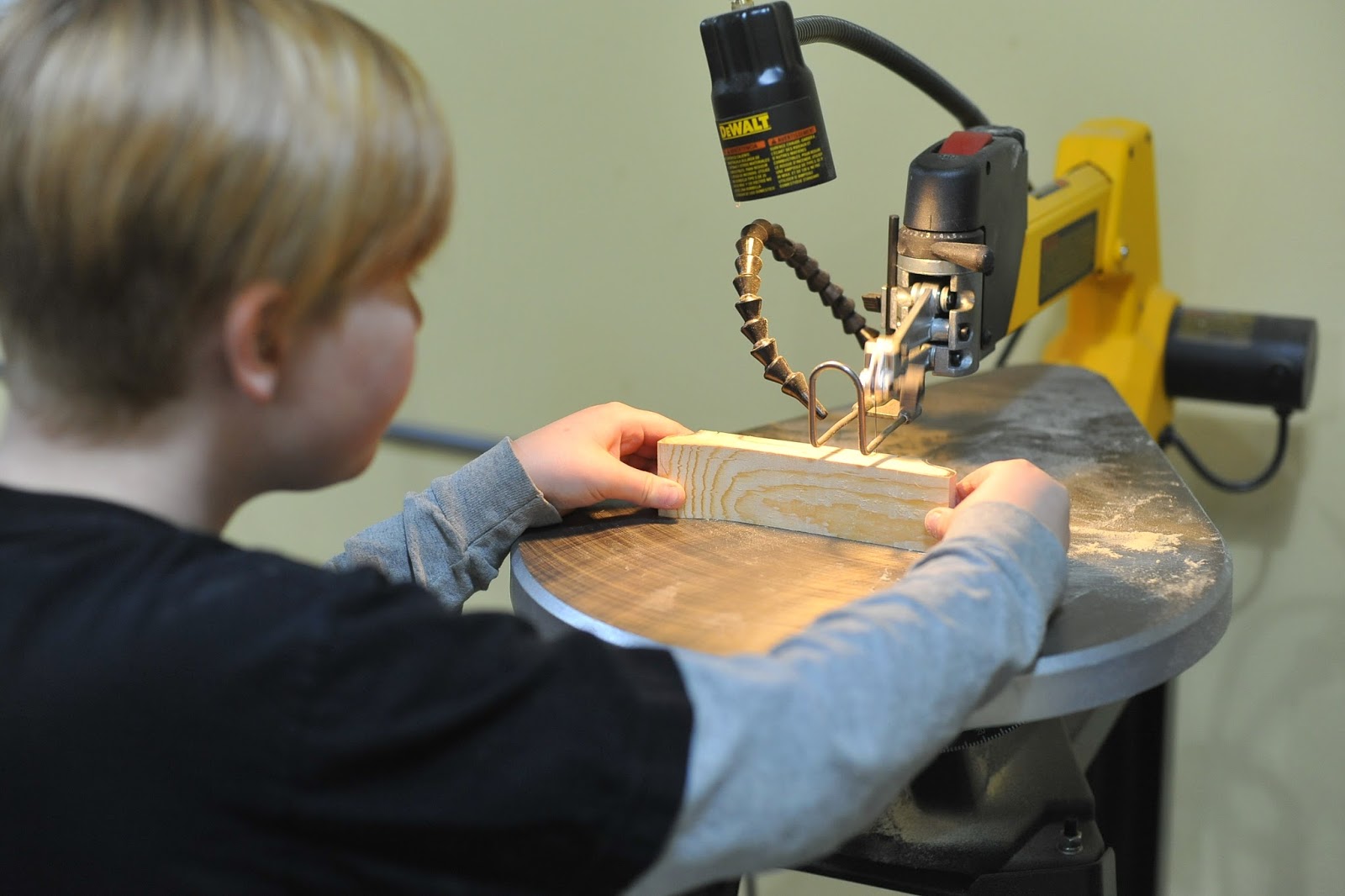
Paradise ponders... Yesterday a neighbor (Alan L.) asked if he and two of his boys could come over to use the woodworking tools in my shop to help them with their “pinewood derby” cars. His younger boy (Nic) needed his for his scouts; the older boy (Zac) was doing it just for fun. Both of them needed to cut the rectangular blocks that came with their kits into a slightly more curvy shape. Nic had an ambitiously complex shape in mind; Zac wanted a simple wedge with a slight curve.
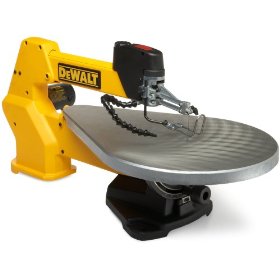
The right tool for both of them was a power coping saw. I have the same model as the one pictured at right.
Nic is about 11 years old, and has little experience with power tools (or tools in general, for that matter), so this is a good choice for its simplicity and relative safety, too. We gave him a bit of instruction on the proper use of the saw, and let him practice on a piece of scrap wood. He did fine during practice, and his “real” cuts on the block of pine that came with his kit were darned near perfect.
Zac is a couple years older, and a lot more confident (though not necessarily justifiably :) than Nic. His design was also much simpler, and he cut his block without any issues at all.
I'm hoping Alan will share some photos with me; if he does I'll post them. He is a photographer and web designer by trade, and his camera was clicking away like mad all evening :)
The right tool for both of them was a power coping saw. I have the same model as the one pictured at right.
Nic is about 11 years old, and has little experience with power tools (or tools in general, for that matter), so this is a good choice for its simplicity and relative safety, too. We gave him a bit of instruction on the proper use of the saw, and let him practice on a piece of scrap wood. He did fine during practice, and his “real” cuts on the block of pine that came with his kit were darned near perfect.
Zac is a couple years older, and a lot more confident (though not necessarily justifiably :) than Nic. His design was also much simpler, and he cut his block without any issues at all.
I'm hoping Alan will share some photos with me; if he does I'll post them. He is a photographer and web designer by trade, and his camera was clicking away like mad all evening :)
Oh, that quaint little notion called “the rule of law”...
Oh, that quaint little notion called “the rule of law”... It's what keeps American citizens from being arbitrarily abused by the powerful ... or by mobs. No matter who you are, the rule of law promises, the law will apply to you just as it does to any other citizen.
We've never been a perfect example of the rule of law here. Corruption is a big problem, though it's subtler and less widespread here than in many other places. The rich and powerful can always find ways to use their money or their influence to help themselves or those they favor. Nevertheless, it's generally true here that if someone breaks the law, they're going to be charged, prosecuted, and convicted by a jury.
That last step – conviction by a jury – is subject to various kinds of manipulation, though. Lawyers for defendants will try mightily to influence the jurors decision-making process, even if the conclusion desired doesn't follow the law. There's even a name for this: jury nullification. It's very controversial amongst legal academics, as it is an overt violation of the rule of law. Jury nullification has a long history, many proponents, and some of its historical outcomes would be widely seen today as acceptable and even desirable. And yet ... it's a clear violation of our vaunted rule of law.
Life is complicated :)
I don't have a clear position on the idea of jury nullification. Both sides of the argument have compelling points, both pro and con.
Friend and former colleague Tim B. passed along an article detailing a current attempt at jury nullification (though the article doesn't mention that!). Anyone who believes that anthropogenic global warming (AGW) is about to bake the planet will most likely find this effort laudable. Those of us who (like me) think that AGW is a gigantic fraud will likely find this to be a lamentable potential lapse in the rule of law.
I hate the idea that a mob of AGW supporters could stop completely legal development of energy resources. But I'm not ready to condemn jury nullification...
We've never been a perfect example of the rule of law here. Corruption is a big problem, though it's subtler and less widespread here than in many other places. The rich and powerful can always find ways to use their money or their influence to help themselves or those they favor. Nevertheless, it's generally true here that if someone breaks the law, they're going to be charged, prosecuted, and convicted by a jury.
That last step – conviction by a jury – is subject to various kinds of manipulation, though. Lawyers for defendants will try mightily to influence the jurors decision-making process, even if the conclusion desired doesn't follow the law. There's even a name for this: jury nullification. It's very controversial amongst legal academics, as it is an overt violation of the rule of law. Jury nullification has a long history, many proponents, and some of its historical outcomes would be widely seen today as acceptable and even desirable. And yet ... it's a clear violation of our vaunted rule of law.
Life is complicated :)
I don't have a clear position on the idea of jury nullification. Both sides of the argument have compelling points, both pro and con.
Friend and former colleague Tim B. passed along an article detailing a current attempt at jury nullification (though the article doesn't mention that!). Anyone who believes that anthropogenic global warming (AGW) is about to bake the planet will most likely find this effort laudable. Those of us who (like me) think that AGW is a gigantic fraud will likely find this to be a lamentable potential lapse in the rule of law.
I hate the idea that a mob of AGW supporters could stop completely legal development of energy resources. But I'm not ready to condemn jury nullification...
Subscribe to:
Posts (Atom)