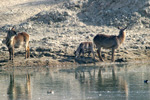
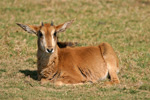
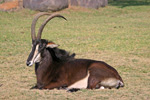
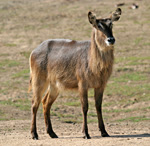
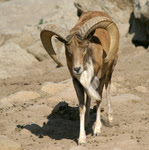
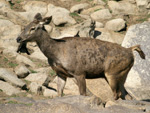
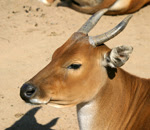
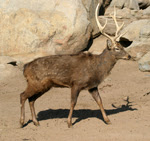
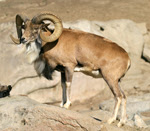
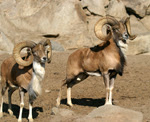
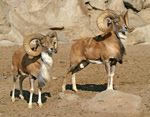
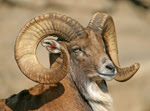
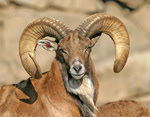
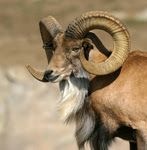
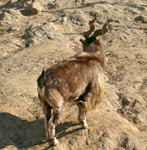
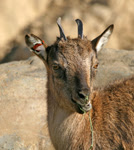
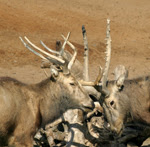
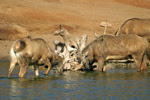
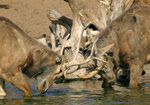
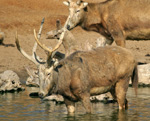
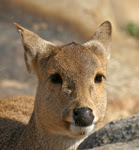
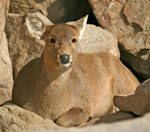
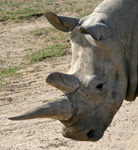
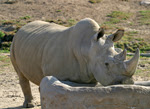
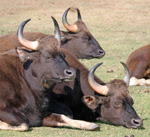
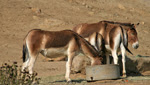
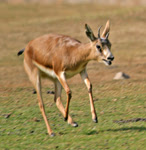
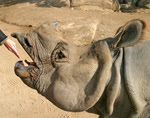
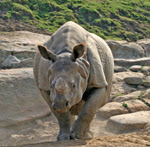
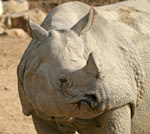
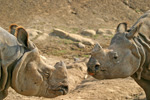
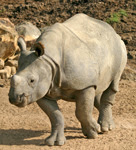
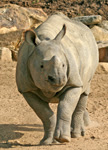
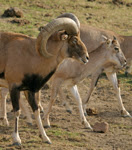
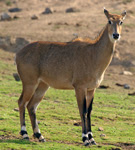
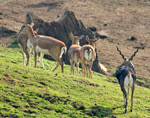
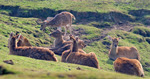
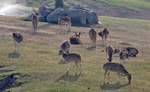
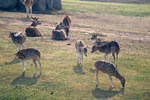
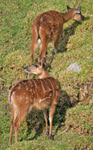
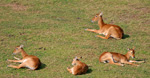
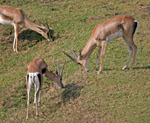
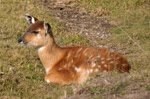
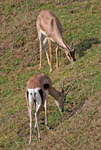
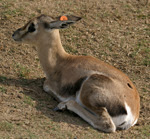
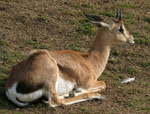
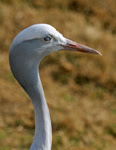
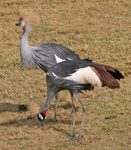
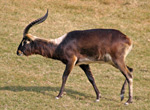
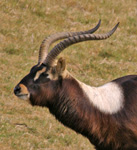
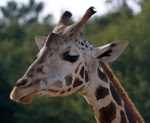
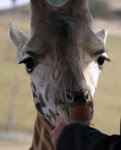
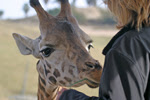
Last Christmas (yes, almost 12 months ago!), our good friends John and Grayle gave us a gift of a “photo safari” at the San Diego Wild Animal Park. Just this past Wednesday, we finally scheduled it. The photo safari is a very interesting and unusual sort of thing: you get onto the back of a small flat-bed truck, outfitted with rails, seats, and a canopy for shade. There’s a driver and a guide (Josie and Jeanne for our safari), both very knowledgeable not only about the biology (which we expected), but also about the history and lore of the individual animals (and that we didn’t expect). It lasted almost four hours, and at the end of it we were fairly tired — certainly not from physical exertion, but more just from the intensity of the experience. It was non-stop, wall-to-wall close encounters of the animal kind for the entire trip. And I took a lot of pictures — only about one in ten are posted here! In fact, there are so many pictures that I’m only going to mix a few in with the text; the rest will all be at the bottom. As usual, you can click on any photo for a larger version.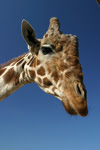
We arrived an hour or so before the photo safari started, so we decided to just wander around a bit. We hadn’t been to the Wild Animal Park for five years or so, and the map showed quite a few changes. Our plan was to go check out the new things, but a park employee mentioned to me that there was a baby lion in the nearby nursery, and it was just about time for it to be fed. That sounded way too good to risk missing, so we practically ran over to the nursery — and ended spending all our free time there. Koza, the baby lion, was only four weeks old — and so cute it oughtta be illegal! I didn’t want to risk a flash upsetting Koza, so I didn’t take any pictures of him. He weighed 11 pounds; to us, his most striking feature (especially as compared with house cats) were his truly enormous front paws. His behavior was practically identical to a housecat kitten of the same age, just on a very different scale. We envied the caretaker, who had the wonderful job of delivering some attention and loving to Koza. Debbie would give just about anything for a chance to do that, I think…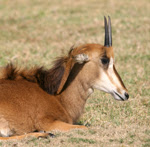
After the pleasant interlude with Koza, we walked a short way to the administration building. The caravan was scheduled to leave from there at 10:30. As we walked in, Jeanne (our guide) walked out to meet us, and told us the news we were hoping to hear: that we were the only people on the photo safari today! I had carefully planned the particular date (with some help from the Wild Animal Park staff) to (a) maximize the probability of good weather, and (b) minimize the probability of too many other people joining us. Each of the trucks can hold up to about 15 people, and they have six trucks — so you could (if you were unlucky) have as many as 90 people along with you. That would be a much different — and much inferior — experience as compared with ours. It was just the four of us: Josie, Jeanne, Debbie, and myself. What also helped was that Jeanne and Josie figured out pretty quickly that they didn’t need to be careful or circumspect around old farmers like Debbie and I — we just all had a nice time together. It was very cozy and friendly, not really much different that an outing with particularly well-informed family or friends…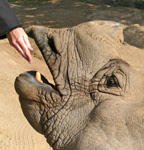
Now I completely forgot to take a picture of Josie and Jeanne, and that’s a shame, because you’d probably like to see them after you hear the rest of this. Josie (our driver) has an email address that proclaims her to be a fox, and we’ll agree with that (even though she’s missing that bushy red tail <smile>). And Jeanne (our guide) has an email address that brags about her hiccups (which we didn’t experience, but heard stories about). What an interesting job they have, doing these photo safaris! I can imagine that it is sometimes rewarding, and sometimes frustrating (depending on who your customers are) — but no matter what, you get out to see and know these exotic animals every day. We heard some stories about people who actually went out and then wanted to come back early; 'tis hard for us to imagine, as despite being almost four hours long, it was over all too soon from our perspective.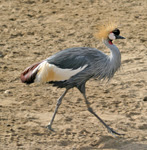
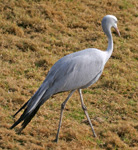
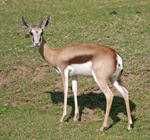
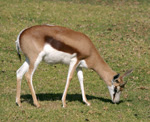
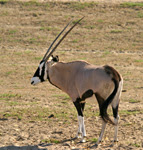
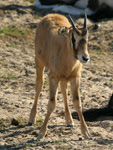
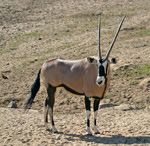
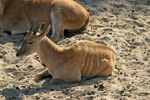
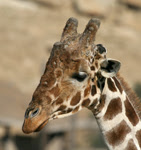
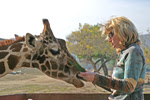
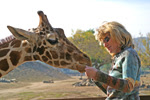
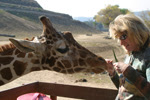
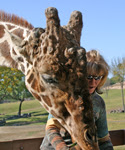
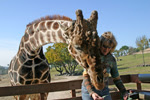
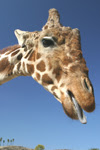
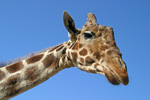
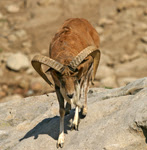
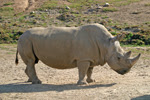
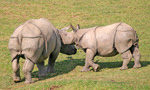
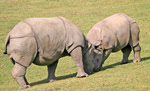
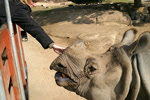
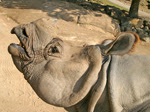
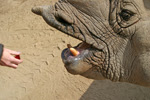
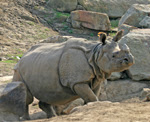
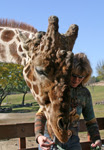
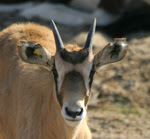
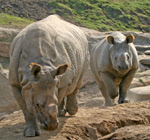
The variety of animal and bird life we saw was a bit overwhelming. There must have been three or four dozen mammal species we saw, and a couple dozen bird species. The truck was a great way to see them — we could (and did!) get very close even to animals that would have been quite dangerous had we been on foot. Yet we never felt threatened in the slightest, even with gazillion-pound rhinos bumping up against the truck. And being in the open air meant perfect visibility — no windows to interfere with seeing or photos. We also learned some things that surprised us, such as the fact that a giraffe’s front hooves are quite heavy and dangerous — and that they swing their heads about as weapons (which is why their heads have bony protuberances all over them). We were only allowed to feed two kinds of animals (giraffes and rhinos), and we could only touch one (the rhinos). Debbie had a lot of fun feeding both of them (as you can see in some of these photos). Personally I was more interested in getting that kind of close to some of the members of the goat and sheep family, or the antelopes — there were a lot of them I found to be quite beautiful and interesting..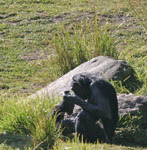
The first thing we saw as we left on our safari was an island full of chimpanzees (Bonobos). In the photo at right (an extreme telephoto), if you squint and use your imagination, you can see that the adult female is tending a small baby. This mother didn’t let this baby off the leash (she used her arm and hand as a leash and collar). There was another, older youngster who scampered and played up a storm — lots of fun to watch.
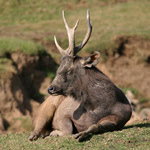
Our safari took us through several paddocks (three, I think), each with animals from a different part of the world. Jeanne told us what all of them were as we drove around, and interesting little tidbits of information about each — and of course we forgot almost all of it, almost immediately. But we sure enjoyed the style — not at all the monotonous monolog one so often finds on guided tours, but rather a very interactive talk, with answers to our questions in as much depth as we could handle. What I most enjoyed was the stories — such as the history Jeanne told us of a Chinese deer called the “Pere David” deer, after the friar who discovered them. It seems that they existed only on the emperor’s grounds, until Pere David and some other Europeans asked for some animals. The emperor had plenty of them, and so was happy to make the Europeans happy with a few deer — and it’s a good thing he did, because after various disasters in China, most of the living Pere David deer were in Europe!
Well, that’s about enough yakking. Now it’s all about the photos…